
What's Happening
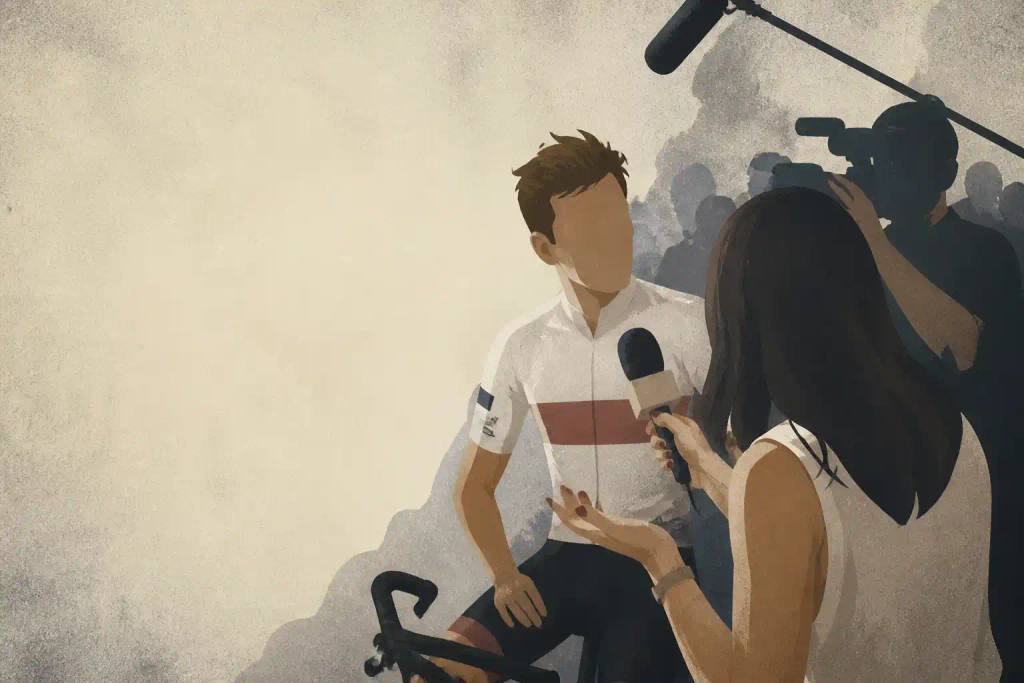
During the 2026 Vuelta, Spanish influencer Erola Jons has come under fire following her debut at the cycling event. She is heavily criticized for asking inappropriate and sexist questions to riders, including top Slovenian cyclist Tadej Pogacar. Her behavior, which included remarks like "Why do you hyperventilate every time you see me?", has led to a wave of outrage in the cycling world and beyond.
Critics, including female journalists, describe it as an "indescribable fiasco" and emphasize that no one should have to tolerate being treated as an object. This incident raises questions about the professionalism and ethics of certain media coverage surrounding major sporting events and the impact of social media on traditional reporting. The issue has also drawn attention to the ongoing struggle for gender equality and respect in sports, with many feeling that steps are being taken backward.
Background
The rise of social media influencers in traditional sports reporting is a relatively new phenomenon that brings both opportunities and challenges. While influencers can attract new audiences, they sometimes lack the journalistic ethics and professional distance expected of accredited journalists. This is not the first time that the behavior of influencers at sporting events has led to discussion. Similar incidents have occurred previously at other major sports competitions where the line between entertainment and respectful reporting was crossed.
Both the Vuelta organization and the International Cycling Union (UCI) are under pressure to formulate clearer guidelines for dealing with all accredited media, including influencers. Ensuring a safe and respectful environment for athletes and other stakeholders is crucial for the integrity of the sport.
The impact of social media on sports journalism
The rapid dissemination of information via platforms such as Instagram and TikTok has drastically changed how sporting events are consumed. While this can bring sports closer to fans, risks also arise when content creators prioritize sensationalism over factual accuracy or respect. This incident highlights the need for both event organizers and media platforms to take responsibility for the content being produced and disseminated.
What This Means for Belgium
Although this incident took place in Spain during the Vuelta, it has broader implications for the Belgian sports world and media. Belgium, with its rich cycling tradition and numerous sporting events, is also seeing an increase in influencers and new media in sports reporting. This event could prompt Belgian sports organizations, such as the Flemish Cycling Federation (Wielerbond Vlaanderen) and the organizers of the Tour of Belgium, to review their own accreditation policies and codes of conduct.
It also highlights the role of Belgian media, such as VRT NWS and Het Laatste Nieuws, in upholding high ethical standards and remaining critical of the content presented. Protecting Belgian cyclists and other athletes from inappropriate approaches is a shared responsibility. The Belgian professional association of sports journalists can use this incident as a case study to stimulate discussion on professional standards. As stated by a critical voice on this incident in sports journalism, "Nobody should have to tolerate being treated as an object" (HLN Sport).