
What's Happening
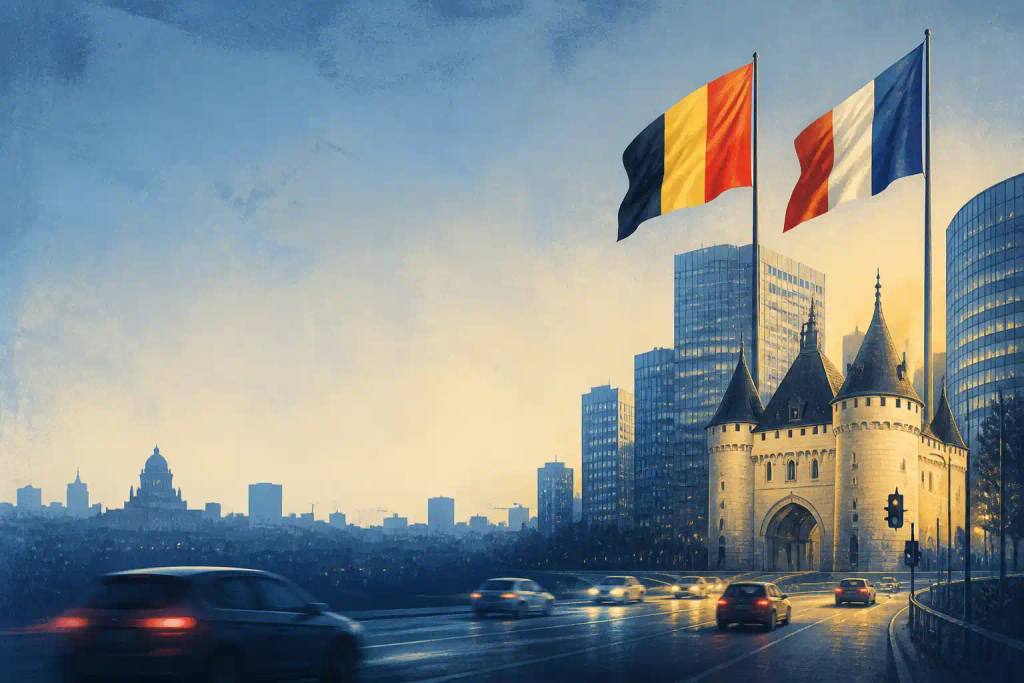
At the Halle Gate in Saint-Gilles, two giant flags are causing a stir among motorists. These imposing Belgian and French flags, which shine brightly in the sun, are attracting the attention of passers-by and distracting drivers from traffic. The owner of the flags, Michele D'Auria, has even noted that his flags draw the attention of road users, potentially leading to dangerous situations on this busy Brussels thoroughfare.
Impact on Halle Gate traffic safety
The location at the foot of the Chaussée de Waterloo, a major access road into Brussels, makes the situation particularly sensitive. Road safety is crucial in this area, and any form of distraction can lead to accidents or dangerous maneuvers. This incident raises questions about regulations concerning outdoor advertising and its impact on public safety in urban areas like the Belgian capital.
Background
The phenomenon of eye-catching facade decorations that attract attention is not new. However, the scale at which these gigantic flags are installed at the Halle Gate makes it a unique case. The choice of Belgian and French flags may indicate a personal or cultural statement by the owner, Michele D'Auria, but the consequences for public spaces and traffic flow cannot be ignored. Bruzz's reporting highlights the direct impact on drivers' concentration.
Historically, the Halle Gate is an important gateway to Brussels, with a rich history. Today, it is a busy hub for both local and through traffic, which makes the distraction caused by the flags all the more problematic. Authorities such as the Brussels police and the municipal administration of Saint-Gilles may need to evaluate the situation to determine if measures are required to ensure road safety.
What This Means for Belgium
The situation at the Halle Gate could set a precedent for the discussion on visual pollution and driver distraction in other Belgian cities. It underscores the need for clear guidelines and enforcement regarding the size, placement, and nature of objects visible from public spaces. For Belgium as a whole, and particularly for municipalities with busy traffic arteries, it is important to find a balance between individuals' freedom of expression and the collective safety of all road users. Belgian entities such as the Federal Public Service Mobility and Transport and local administrations in cities like Antwerp or Ghent can learn lessons from this incident in Brussels to prevent or regulate similar situations in the future. The case demonstrates how an individual action can have unexpected consequences for the broader public space and traffic safety.
