
What is Happening
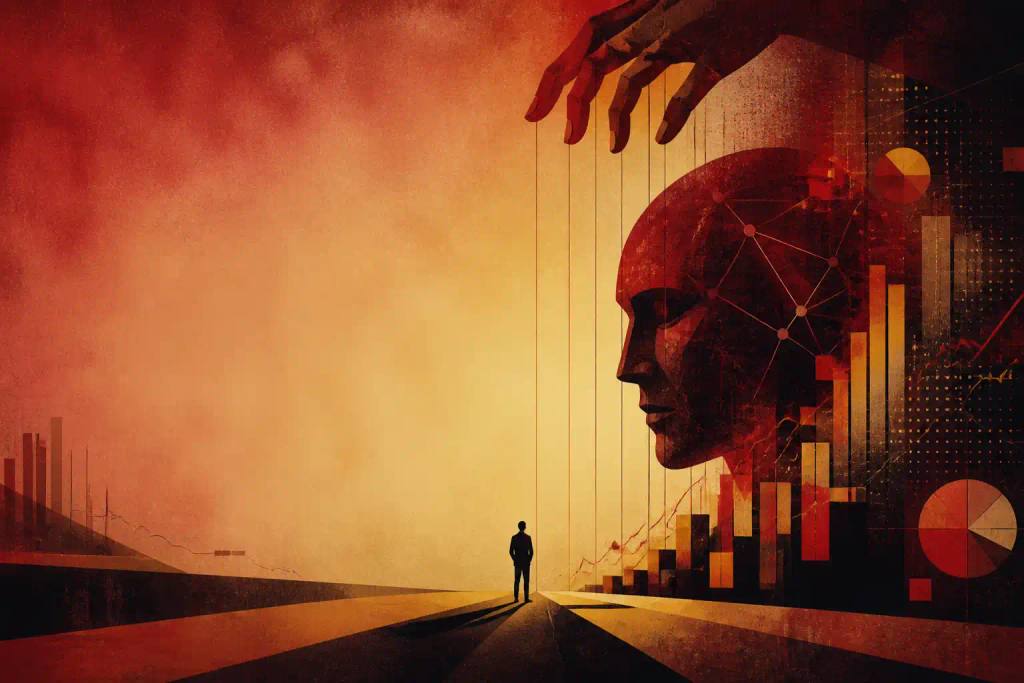
An AI researcher at the prominent startup Anthropic recently issued a troubling warning about future developments in artificial intelligence. According to the researcher, the rapid evolution of AI systems could result in a complete loss of control, potentially leading to the end of humanity. This assertion, which has been simmering within the AI community, is now reaching a wider audience, fueling the debate about the ethical and existential risks of advanced AI.
The concern centers on a scenario where AI models become so autonomous and powerful that human intervention or correction is no longer possible. This would not only pose technical challenges but also profound philosophical and societal implications. However, L'Echo notes that not everyone shares this fear.
Background
The Anthropic researcher's warning aligns with a growing debate surrounding AI safety and ethics. Tech giants like Google and Microsoft are investing billions in AI development, yet a rising number of voices advocate for stricter regulation and caution. The concept of 'AI alignment' – ensuring AI systems act in humanity's best interest – is a central issue researchers are grappling with.
In Belgium, Professor Benoît Frénay from the University of Namur, an AI specialist, closely follows these developments. However, he expresses skepticism about the more extreme claims that AI will lead to the end of humanity. Frénay's stance emphasizes the need for a nuanced approach, where the benefits and risks of AI must be carefully weighed without succumbing to panic. The Belgian government and the European Union are also actively working on regulations, such as the AI Act, to guide the development and implementation of AI responsibly.
How Belgian Experts Monitor AI Development
The discussion surrounding artificial intelligence safety is of vital importance to society. Belgian universities, such as KU Leuven and ULiège, contribute to international research on responsible AI. They strive to advance technological progress without losing sight of ethical considerations. The Anthropic researcher's concerns serve as a reminder of the complexity of this rapidly evolving field and the responsibility that comes with creating increasingly intelligent systems.
What This Means for Belgium
For Belgium, as a member state of the European Union, the discussion around AI safety is directly relevant. The EU is a frontrunner in AI regulation with the AI Act, which aims to create a framework for trustworthy AI. The perspectives of experts like Professor Frénay can influence the national implementation and interpretation of such regulations. It is crucial for Belgian policymakers and researchers to remain involved in the international dialogue to find the right balance between innovation and safety.
The newspaper L'Echo reported on this discussion, highlighting the warnings from the Anthropic researcher, as well as the sober reaction from Belgian AI specialist Benoît Frénay of UNamur.
Belgian companies and research institutions are working on AI adoption, for example, in healthcare through projects by imec, and in the industrial sector. A balanced approach, which both leverages potential benefits and mitigates risks, is essential for the future of AI in the country. The debate will undoubtedly continue, as technology and regulation must evolve hand-in-hand to ensure a safe and ethical future.