
What is happening
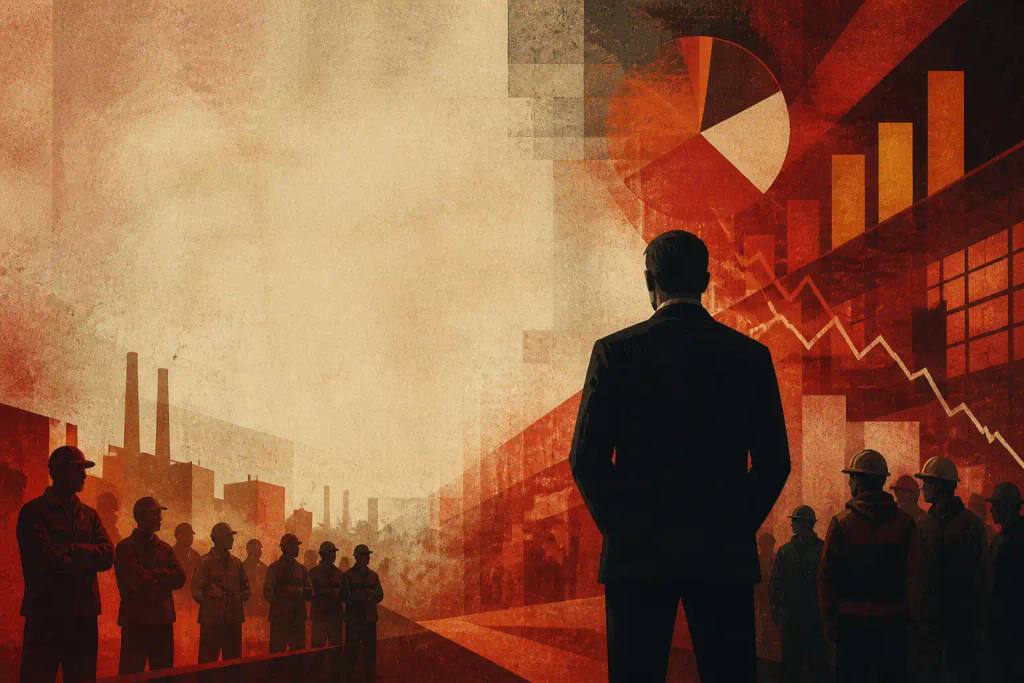
The announced large-scale VW restructuring is causing significant tensions within the German automotive giant. Oliver Blume, CEO of Volkswagen, is attempting this Tuesday to convince workers in Wolfsburg of the necessity and correctness of the planned measures. Simultaneously, employee representatives are already working on an alternative plan to mitigate the impact of the restructuring and prevent potential job losses.
These developments follow a period of increasing pressure on the automotive industry, driven by the transition to electric vehicles and stricter emission standards. Volkswagen's management views the restructuring as essential to maintain the group's competitive position and ensure future growth, but the consequences for the thousands of employees remain uncertain.
Impact of the automotive transition on workers
The shift to electric mobility and digitalization has a profound impact on traditional production processes and the required skills of the workforce. Trade unions like IG Metall, representing VW workers' interests, are concerned about the social implications of the restructuring and advocate for retraining and redeployment of employees.
Background
Volkswagen, with facilities in Germany and a strong presence in the Belgian market through importers such as D'Ieteren, is under pressure to cut costs and increase efficiency. Previous restructuring efforts have often been the subject of intense negotiations between management and works councils. The Belgian automotive industry, although not a direct production location for Volkswagen, is closely monitoring these developments, given its high dependence on imports and the impact on employment at dealerships and maintenance companies.
This discussion takes place against the backdrop of a European automotive market recovering from previous crises but facing new challenges such as geopolitical tensions and disruptions in supply chains. Major players like Stellantis and Mercedes-Benz have also recently taken similar measures to streamline their organizations. The outcome of the dialogue at Volkswagen could set a precedent for other large industrial companies in Europe, including those with operations in Flanders and Wallonia.
What this means for Belgium
Although the VW restructuring primarily impacts German sites, the consequences are felt in Belgium. Volkswagen is one of the best-selling car brands in Belgium, meaning changes in business strategy or product lines can directly affect Belgian importers and dealerships. Companies like D'Ieteren, the largest car importer in Belgium and Luxembourg, will closely monitor the situation. Any unrest within Volkswagen could lead to uncertainty regarding future models, deliveries, and prices, affecting Belgian consumers and the automotive market.
Moreover, broader trends in the automotive industry, such as electrification and consolidation, have an indirect impact on the Belgian economy and employment in the supply chain and service sector. The discussion about job preservation and alternative plans in Wolfsburg could also influence public opinion and political decision-making in Belgium, particularly concerning support for the transition to more sustainable mobility. The situation is widely covered in the international press, and in Belgium, media such as L'Echo and De Tijd are closely following the developments.
The strained dialogue around Volkswagen's restructuring is extensively covered by L'Echo, reporting on Oliver Blume's attempts to convince workers.