
What is happening
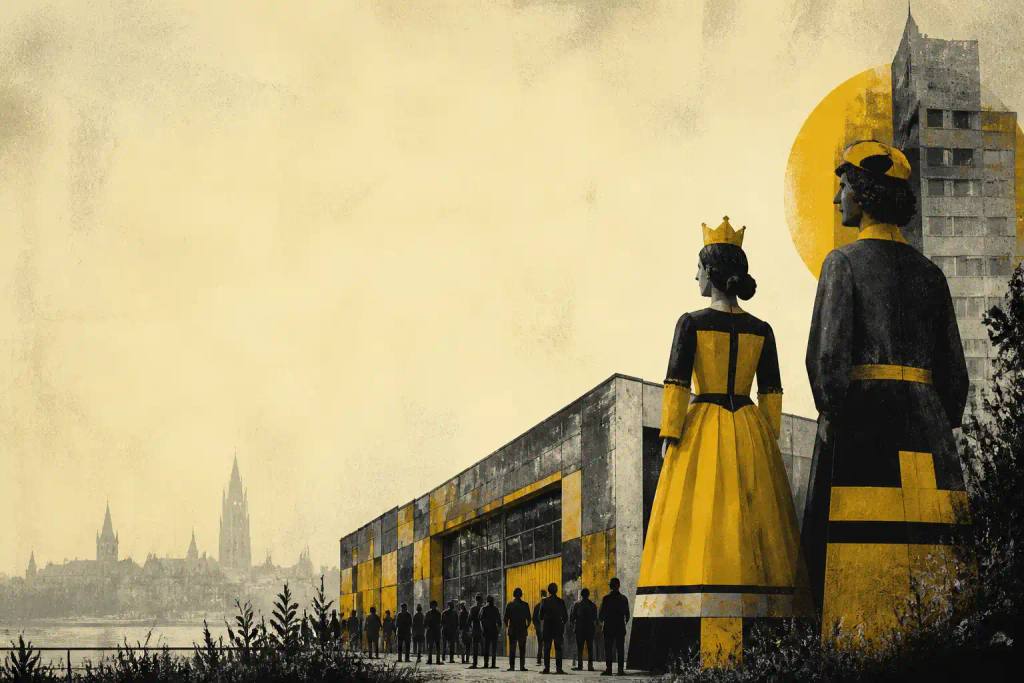
The City of Antwerp has announced plans to sell Borgerhub, the former peace court located on Turnhoutsebaan in Borgerhout. This decision has caused considerable uproar among the local population and cultural organizations. Borgerhub is well-known as a vibrant meeting place for the community and, moreover, the permanent 'sleeping place' of the iconic Borgerhoutse Reuskens (Giants). The potential sale raises questions about the future of both the community function and the cultural heritage value of the property.
The announcement of the sale was made via HLN Antwerpen, which is polling public opinion on this matter. The city of Antwerp may defend the decision from a perspective of efficiency or repurposing, but the emotional and cultural connection to the building is strong, especially due to the presence of the Reuskens, which are deeply rooted in local tradition.
Background
Borgerhub, originally a peace court, has evolved over the years into a central hub for the Borgerhout community. The property serves as a space for various social and cultural activities, making it a vital part of the urban fabric. The Borgerhoutse Reuskens, a significant folkloric tradition in Antwerp, have their home base here. Their presence gives Borgerhub a unique cultural status, comparable to the importance of the Meyboom in Brussels or the Ghent Giants.
The history of the Reuskens dates back a long time, and they represent a living piece of heritage. Their 'sleeping place' is not just a storage area; it is part of their identity and their connection to the community. A change of ownership and function of Borgerhub could therefore have direct consequences for the continuity and visibility of this tradition. This is not the first time that historic buildings in Antwerp have been scrutinized for sale or repurposing, often leading to discussions about preservation versus development.
The future of cultural heritage in Borgerhout
The debate surrounding Borgerhub highlights broader challenges regarding the preservation of cultural heritage and community spaces in rapidly changing urban environments. Local authorities, such as the district of Borgerhout and the City of Antwerp, are tasked with finding a balance between financial considerations and protecting intangible heritage that contributes to a neighborhood's identity. The residents of Antwerp, and Borgerhout in particular, are closely involved in such decisions.
What this means for Belgium
The controversy surrounding the sale of Borgerhub in Antwerp is representative of a broader phenomenon in Belgium, where tension between urban development and the preservation of local heritage regularly arises. This incident demonstrates how deeply cultural traditions and community places are rooted in Belgian society. Organizations like the Flemish Heritage Agency (Vlaams Erfgoedagentschap) and local cultural councils play a crucial role in advising and monitoring such processes.
This debate could influence future decisions by other cities and municipalities in Flanders and Wallonia facing similar issues. It underscores the need for transparent communication and citizen participation in decisions that have such an impact on local identity and community life. The outcome in Antwerp will be closely watched by heritage associations and policymakers throughout Belgium. It is a test case for how local government handles valuable, but sometimes undervalued, cultural anchor points.
The primary source for this news is HLN Antwerpen, which is polling public opinion on the planned sale of Borgerhub and its impact on the Borgerhoutse Reuskens.
