
What is happening
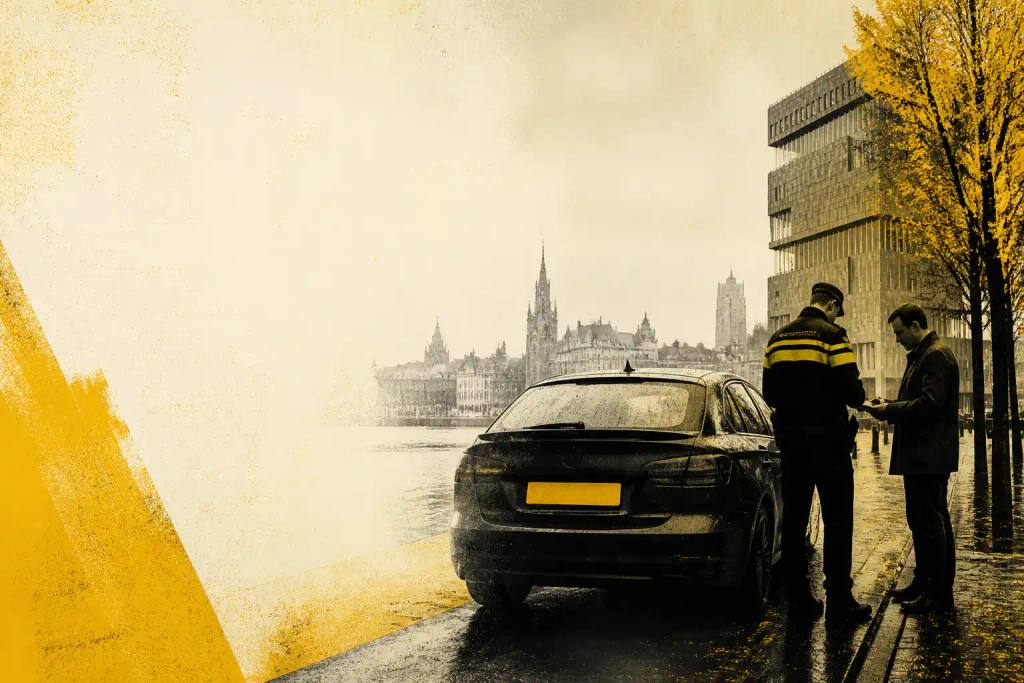
A resident of Antwerp has had his driving license revoked after his car, bearing expired Dutch transit plates, was found parked on a public road. The man, who appeared before the police court in Antwerp on Monday, claimed he had not driven the vehicle for some time since the temporary Dutch license plates had expired. However, Belgian traffic legislation is clear: any vehicle parked on a public road must be correctly registered and insured, regardless of whether it is stationary or moving. This incident highlights the strict enforcement of this regulation in Belgium.
The vehicle was parked in a public area in Antwerp, which forms the core of the legal issue. Even a car that is not actively in use, but is located on public property, falls under these obligations. The police court has made the decision to impound the driving license, which has significant consequences for the individual concerned.
Background
The issue surrounding vehicles with foreign license plates and the associated regulations is a recurring theme in Belgium. Many Belgians who buy a car abroad, especially in neighboring countries such as the Netherlands or Germany, must carefully manage the import and registration procedures. Expired Dutch transit plates can lead to serious legal problems, as in this case. These license plates are often temporary, intended to allow the vehicle to be driven to the home country, where it must then be permanently registered and fitted with Belgian license plates.
Belgian legislation, enforced by the Federal Public Service Mobility and Transport and the DIV (Vehicle Registration Directorate), is strict for reasons of road safety, insurance issues, and fiscal considerations. An unregistered or uninsured vehicle poses a risk, both to the owner and to other road users. Fines and penalties for violations can be significant, ranging from monetary fines to the seizure of the vehicle or, as here, the revocation of the driving license.
Impact of expired transit plates
The specific nature of temporary transit plates, which have a limited validity period, makes the situation particularly vulnerable. Once these plates expire, the vehicle loses its legal status to be on a public road. It is the owner's responsibility to take the necessary steps in a timely manner for permanent registration in Belgium. This includes vehicle inspection and obtaining insurance. Failure to meet these requirements can lead to unexpected and severe penalties, even if the vehicle is simply parked.
What this means for Belgium
This case, reported by HLN Antwerpen, serves as an important warning to motorists throughout Belgium who are considering purchasing a vehicle abroad or who already own a car with foreign plates. It emphasizes the need to strictly follow Belgian traffic legislation and handle all administrative procedures in a timely manner. Not only in Antwerp, but also in cities such as Brussels and Ghent, this regulation is strictly controlled. The risk of sanctions is high, even for seemingly minor offenses such as parking a vehicle with expired Dutch transit plates.
The government and Belgian justice remain vigilant about the correct registration and insurance of all vehicles on public roads. This policy contributes to general road safety and ensures that all road users are protected by valid insurance. Citizens are advised to contact the DIV or a legal expert if in doubt, to avoid unpleasant surprises. It is crucial that everyone who owns a vehicle in Belgium is aware of these responsibilities.
