
What's Happening
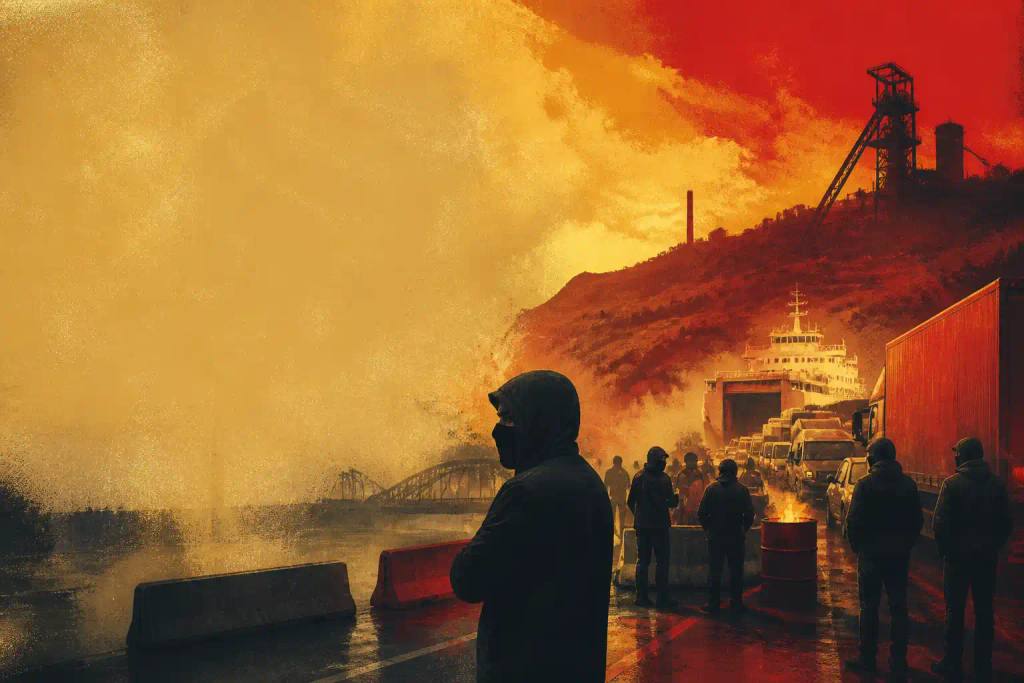
Masked protesters today blocked access to the British port of Dover, severely disrupting cross-Channel traffic. This action, aimed at influencing migrant flows across the Channel, has led to significant delays and frustration for travelers and freight carriers moving between the UK and France.
The blockades were set up early in the morning, causing long queues on the access roads to the port. Police units are on site to manage the situation and negotiate with the demonstrators. The impact is felt by everyone traveling through Dover, including Belgian tourists and transport companies reliant on this crucial sea link. Kent local police have urged the public to avoid the port area and consider alternative routes. The seriousness of the disruption is underscored by the need for authorities to undertake coordinated actions on site to maintain public order and ensure safety.
Impact on Traffic and Logistics
The immediate consequences of the blockade are significant traffic jams on the M20 and other access roads to Dover. Ferry operators, such as P&O Ferries and DFDS Seaways, were forced to adjust or suspend their services, leaving travelers with booked crossings in uncertainty. These disruptions affect not only passenger transport but also the vital flow of goods between the continent and the UK, with potential consequences for supply chains. The Belgian Institute for Road Transport and Logistics (ITLB) is closely monitoring the situation due to the potential impact on the Belgian transport sector.
Background
What triggered the Dover blockade?
The protesters are demanding a halt to migrant crossings in the Channel. This issue has long been a sensitive point in the United Kingdom, with frequent debates about border security and immigration policy. Similar protests have occurred in the past, but rarely with such a direct impact on port activities in Dover, one of Europe's busiest ferry ports. Today's action highlights the growing tension surrounding this complex issue. The British government is under pressure to take more effective measures against illegal migration, while human rights organizations warn of the humanitarian consequences of overly repressive policies. Tensions surrounding this topic are also palpable in other European countries, including France and Belgium.
Broader Economic Implications
The situation in Dover has broader implications for logistics and the economy, given that the port is a vital link for trade between the UK and mainland Europe, including Belgium. Such disruptions can lead to problems in supply chains and additional costs for companies like the Belgian transport sector. The National Bank of Belgium (NBB) will undoubtedly monitor economic indicators for the wider impact of such cross-border disruptions on Belgian exports and imports.
What This Means for Belgium
Direct Consequences for Travelers and Businesses
The blockade in the port of Dover has direct consequences for Belgium. Thousands of Belgian citizens travel annually via this route to the United Kingdom, both for tourism and for work. Furthermore, the port of Dover is a crucial connection for freight transport between Belgium and the UK. Delays here can lead to disruptions in the supply of essential goods and export products. The impact extends beyond individual travelers; Belgian companies dependent on just-in-time deliveries or fresh products via this route could incur significant losses. This highlights the vulnerability of international supply chains to unexpected political or social actions.
Belgian shipping companies and logistics firms active on the route between Zeebrugge/Ostend and the UK could also be indirectly affected by increased pressure on alternative routes or by the broader economic impact. While the ports of Zeebrugge and Antwerp themselves are not experiencing direct blockades, a shift in traffic to these ports could lead to congestion or higher operational costs. The Federal Public Service Foreign Affairs is closely monitoring the situation and will, if necessary, adjust travel advice for Belgian travelers. They advise Belgians planning to travel via Dover to consult local reports and ferry company announcements before departure. The Port of Ostend and the Port of Zeebrugge may need to evaluate their capacity and operational flexibility in light of such disruptions.
The primary source for this news, as reported by L'Echo, states that masked men have blocked access to the Port of Dover, disrupting cross-Channel traffic. This disruption sets a precedent for the vulnerability of crucial border crossings to social protest.