What's Happening
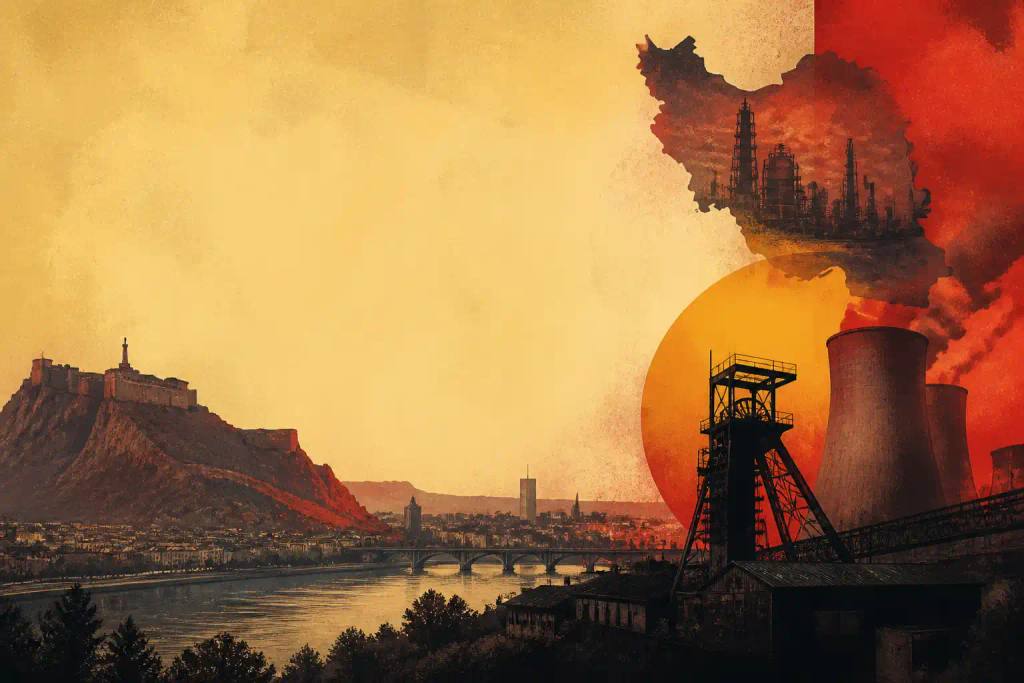
The United States is poised to unveil an ambitious new plan on Monday, aiming to further isolate Iran through intensified economic sanctions. This initiative, led by President Trump, seeks to significantly increase pressure on the Iranian regime. The global community is closely watching, partly due to the implications for international stability and geopolitical balances in the Middle East. This is a crucial moment that could disrupt the regional balance, with potential consequences extending beyond mere economic pressure. Critics question whether this approach will truly yield the desired results without causing unintended escalation. The question lingers: can the new sanctions truly compel Iran to yield?
Background
The relationship between the United States and Iran has been strained for decades. Following the US withdrawal from the nuclear deal (Joint Comprehensive Plan of Action or JCPOA) in 2018, Washington has progressively increased economic sanctions against Tehran. The primary goal is to force Iran to cease its nuclear program, limit its ballistic missile development, and halt its destabilizing activities in the region. Previous sanctions have already had a significant impact on the Iranian economy, leading to inflation and protests. Europe, with countries like Belgium, France, and Germany, has often taken a more nuanced stance, advocating for diplomatic solutions and upholding the JCPOA, although European companies are sometimes pressured to comply with US sanctions. This new round of sanctions represents a further intensification of the American 'maximum pressure' campaign.
The impact of previous sanctions on Iranian oil exports
The oil industry is the lifeblood of the Iranian economy. Previous sanctions were particularly aimed at restricting Iran's oil exports, drastically reducing its revenues. This has led to a shortage of foreign currency and has severely affected the population. The question is whether further pressure on this front can still be effective, or if Iran has developed alternative strategies to circumvent the sanctions. The effectiveness of sanctions is often debated; while they can cripple an economy, they do not always lead to policy change and can unintentionally strengthen national resolve.
What This Means for Belgium
For Belgium, as an EU member state and an open economy, the new American sanctions against Iran could have various consequences. Firstly, if tensions in the Middle East escalate further due to a potential military response from Iran, this could lead to higher oil prices, which would be directly felt by Belgian consumers and businesses. The Port of Antwerp, a major international hub, could also be indirectly affected by disruptions to global shipping routes. Furthermore, the Belgian government, in line with European foreign policy, will closely monitor the situation. Belgian foreign trade with Iran is relatively small, but Belgian companies operating internationally must be aware of the extraterritorial effect of US sanctions, which can entail compliance challenges. The European Parliament has previously called for maintaining dialogue with Iran, emphasizing Belgium's complex diplomatic position within the EU.
The primary source for this news is L'Echo, which reported on the planned presentation of the new sanctions plan by the United States.