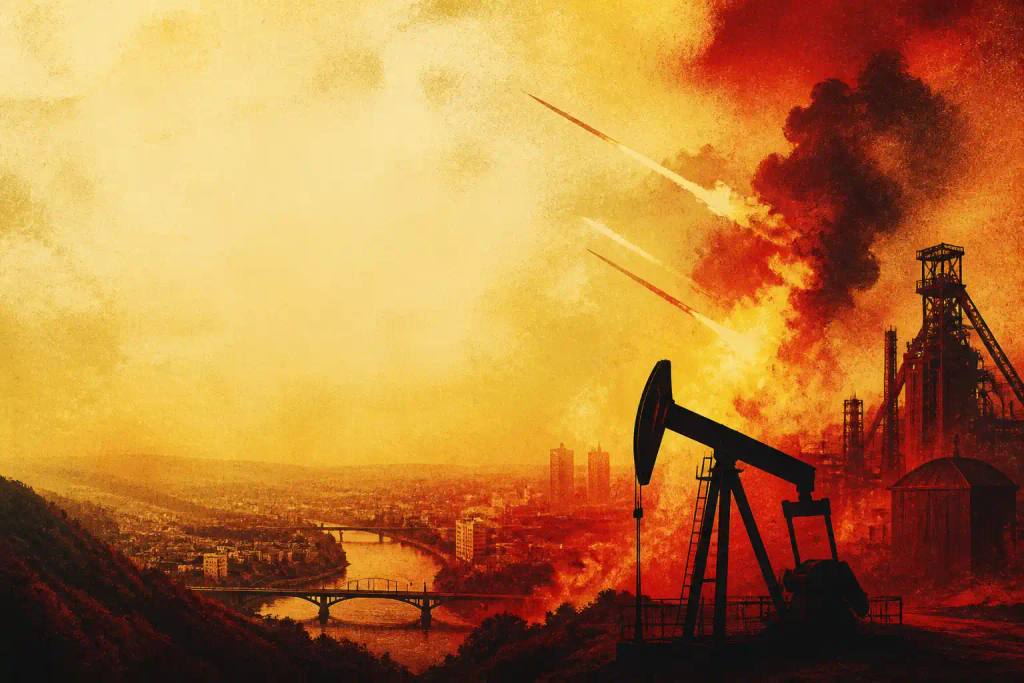
After a month of relative calm, tensions between Iran and the United States have flared up again, directly impacting the oil price. In the night from Sunday to Monday, both countries resumed mutual attacks, abruptly ending the recent ceasefire. This renewed conflict threatens to further undermine stability in the Middle East and has global economic consequences, particularly for energy markets. Belgian motorists and businesses will directly feel the higher oil price at the pump and in their operating costs.
What is Happening
The resumption of hostilities between Iran and the United States has led to an immediate surge in the oil price on international markets. Analysts point to geopolitical risks in the region as the primary driver behind this price increase. Furthermore, negotiations between Tehran and Washington, which aimed at de-escalating the situation, have completely stalled. This suggests a longer period of uncertainty, raising global concerns among investors and consumers about the future availability and cost of energy. This directly affects Belgium as a net energy importer.
Global Energy Market Impact from Resumed Hostilities
The escalation of the conflict between these two major powers has a significant impact on global energy markets. Iran is a major oil producer, and disruptions in the region can affect supply. This scenario is reminiscent of previous periods of instability in the Middle East, which were often accompanied by volatility in the oil market. European countries, including Belgium, are heavily dependent on stable energy supplies and are observing the situation with vigilance.
Background
The relationship between Iran and the United States has been tense for decades, with periods of conflict and attempts at diplomacy. Previous confrontations and sanctions have regularly led to fluctuations in the oil price. The recent one-month 'ceasefire' was seen by many as a cautious step towards détente, but the new attacks prove that underlying tensions persist. International organizations such as the United Nations and the European Union have repeatedly called for dialogue and de-escalation to prevent further destabilization. The role of neighboring countries like Iraq is often crucial in these dynamics.
What This Means for Belgium
For Belgium, the rising oil price and renewed tensions between Iran and the United States mean increased economic uncertainty. As a net importer of energy, Belgium is vulnerable to price increases in the global market. This can lead to higher fuel prices for consumers and increased transport costs for businesses, potentially fueling inflation. The National Bank of Belgium will closely monitor these developments. The Belgian government, represented by the Ministry of Foreign Affairs, will likely advocate for diplomatic solutions and stabilization in the region to minimize the impact on the Belgian economy and its citizens. Belgium, like other EU countries, benefits from a stable oil market and secure energy supply lines.