
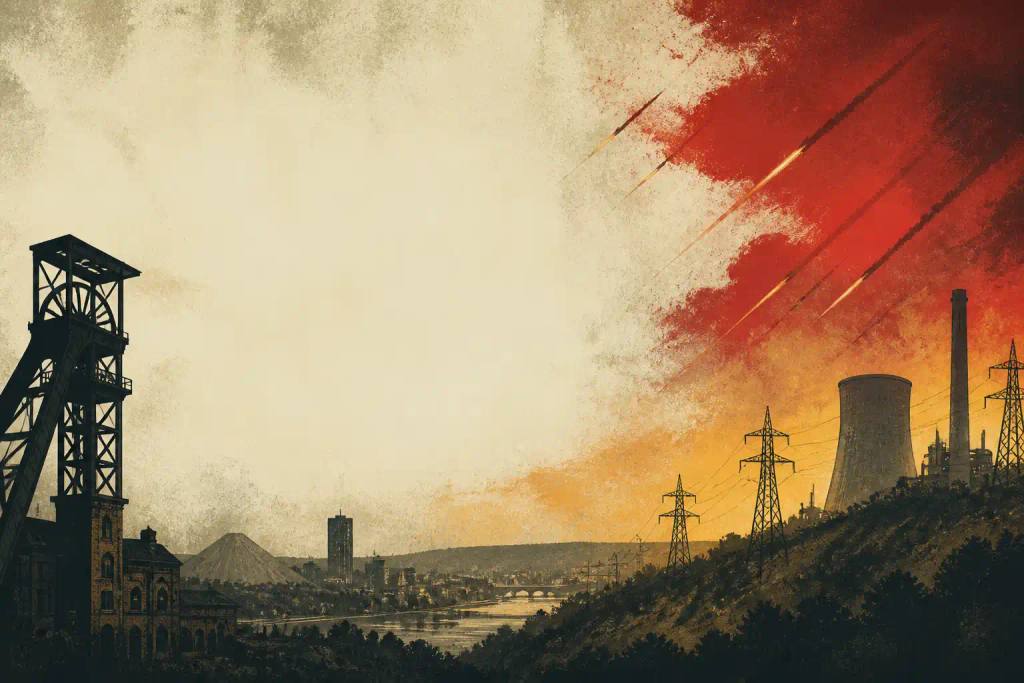
Russia is preparing for 'massive attacks' against Ukraine's energy sector, according to international sources. This announcement comes amidst an escalation of long-range missile strikes and indicates a potential intensification of the conflict. The Belgian federal government is closely monitoring the situation, as are NATO and the European Union. These developments have implications for geopolitical stability and the humanitarian situation in the region.
What is happening
According to a report from L'Echo, a leading Belgian newspaper, Russia has expressed its intention to carry out large-scale attacks. These attacks would target critical energy infrastructure in Ukraine, further increasing the country's vulnerability. This pattern of targeted attacks on civilian infrastructure has been observed previously during the conflict. The Belgian Red Cross has already initiated aid programs to mitigate the humanitarian impact, in collaboration with international partners.
Impact on Ukrainian energy supply
Potential 'massive attacks' could lead to widespread power outages and disruptions to energy supply, with severe consequences for Ukraine's population and economy. International observers express concern about the humanitarian implications, especially with the approaching winter months. This strategy, already employed in previous years, aims to undermine civilian infrastructure and increase pressure on the Ukrainian government and population. The impact on civilians, particularly vulnerable groups, is considerable.
Background
Since the start of the full-scale invasion, Russia has regularly targeted Ukraine's energy infrastructure, particularly during colder seasons. This strategy appears aimed at undermining the morale of the population and weakening the country's economic stability. Previous campaigns resulted in millions of people without power, water, or heating, and a similar scenario now threatens to unfold again.
The escalation of 'massive strikes' against the Ukrainian energy sector is a worrying development, according to L'Echo based on their reporting.
The continued support from the European Union and its member states, including Belgium, is crucial to help Ukraine face these challenges. The European Parliament has repeatedly called for increased sanctions against Russia and more military and humanitarian aid for Ukraine. The National Bank of Belgium (NBB) monitors the broader economic implications for the Eurozone and for Belgian trade.
What this means for Belgium
For Belgium, this development signifies a continuation of geopolitical uncertainty. While the direct impact on Belgian energy supply is limited due to diversification and strategic reserves, as reported by the Federal Public Service Economy, a further escalation of the conflict in Ukraine could have indirect economic consequences. These include fluctuations in energy prices, disruptions to international trade routes, and a potential increase in refugee flows. The Belgian Ministry of Foreign Affairs actively participates in international efforts to de-escalate the conflict. Belgian diplomacy remains committed to a peaceful resolution and the protection of international law, both through bilateral channels and within the framework of the European Union and the United Nations. Organizations such as Caritas International Belgium and Doctors of the World work tirelessly to support the victims of the conflict, often in collaboration with the Belgian Development Cooperation.