
What is happening
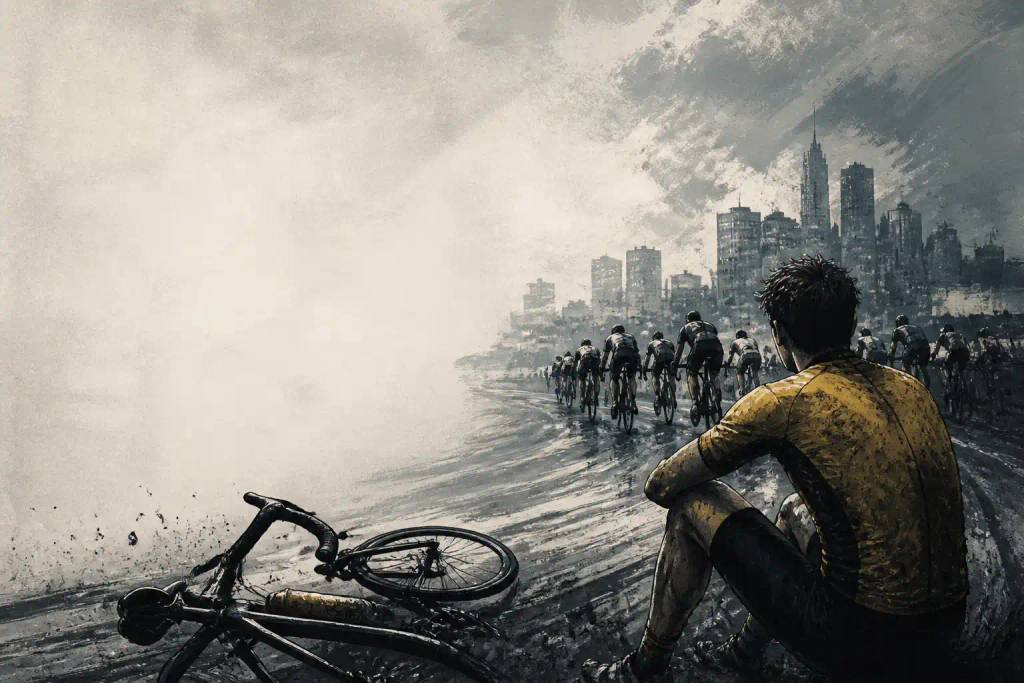
At the Junior Cycling World Championships in Montréal, Belgian tactics were completely disrupted, leading to disappointment among the young Belgian talents. Although there was much hope for a successor to Remco Evenepoel in the junior field, the race concluded with seventeen-year-old Benjamin Noval becoming both time trial and road world champion. Expectations were high, but the planning fell apart, leaving only Sander Willems in ninth place as the best Belgian rider.
The incident, which had already begun four days earlier with unforeseen circumstances, culminated in a race where the Belgian team lost its grip. What was initially intended to be a strategic plan was gradually dismantled by unexpected twists during the race. This has led to a thorough analysis within the Belgian cycling federation and the team management, raising questions about the preparation and the flexibility of tactics at such a crucial moment.
Background
The Belgian junior team is traditionally known for its strong presence at the Cycling World Championships. Names like Remco Evenepoel have proven in the past that Belgium is a breeding ground for top talent. However, the dynamics of a World Championship require not only individual strength but also flawless team strategy and the ability to anticipate changing race conditions quickly. The recent performance indicates a gap in these aspects. It is not the first time that tactical missteps in major tournaments have been discussed, and the pressure on national coaches to guide young riders optimally is significant. The focus is often on individual performance, but in cycling, teamwork is essential, especially in junior categories where riders are still developing.
The impact of early setbacks on junior athletes
Preparation for a World Championship can be decisive. Small disruptions in the run-up, such as illness, mechanical issues, or unexpected course changes, can undermine tactics early on. For young riders, this can bring additional stress, negatively affecting their performance on race day. The mental resilience of talented cyclists plays a major role in how they deal with setbacks. Belgian talents must use this experience to come back stronger.
What this means for Belgium
The disrupted tactics at the Junior Cycling World Championships in Montréal will undoubtedly lead to a thorough evaluation within the Belgian cycling community. It is crucial that lessons are learned from this experience to better support future generations of young Belgian riders, such as the promising Sander Willems. The Belgian Cycling Federation and the National team management will need to review their strategies to ensure that talents are optimally guided at crucial moments. This is important for the continued development of Belgian cycling and to remain competitive with countries that have strong junior programs.
The reconstruction of this story actually began four days ago, as reported by HLN Sport. It underscores the complexity of planning and execution at a World Championship.
The focus will now be on analyzing communication, team roles, and the capacity to adapt quickly during the race. This will hopefully result in improved methods that enable Belgian riders to be even more successful on the international stage in the future.
